The first of two articles, this piece seeks to analyse the impact of recent economic developments on patient’s health before proferring solutions in the second part.
As a practicing physician in suburban Nigeria, daily interactions with patients serve as an avenue to observe the intricate interplay between the economy and their health, providing me with a unique and invaluable insight into the dynamic relationship between these two vital aspects of their lives.
One of my duties is refilling monthly medications for individuals living with chronic illnesses like diabetes and hypertension. Over the past nine months, more and more people have missed their monthly checkups and refills, waiting till they develop severe symptoms before presenting at the hospital for medications. When asked why they delay presenting, the common response is “Doctor, ko si owo ni ilu (Doctor, there is no money in circulation)”. This does not include several occasions where doctors have to contribute money to help patients access care like chemotherapy and lab tests, among others.
The Downturn of the Nigerian Economy and its effect on the Nigerian healthcare system
Food vs Health: Which comes first?
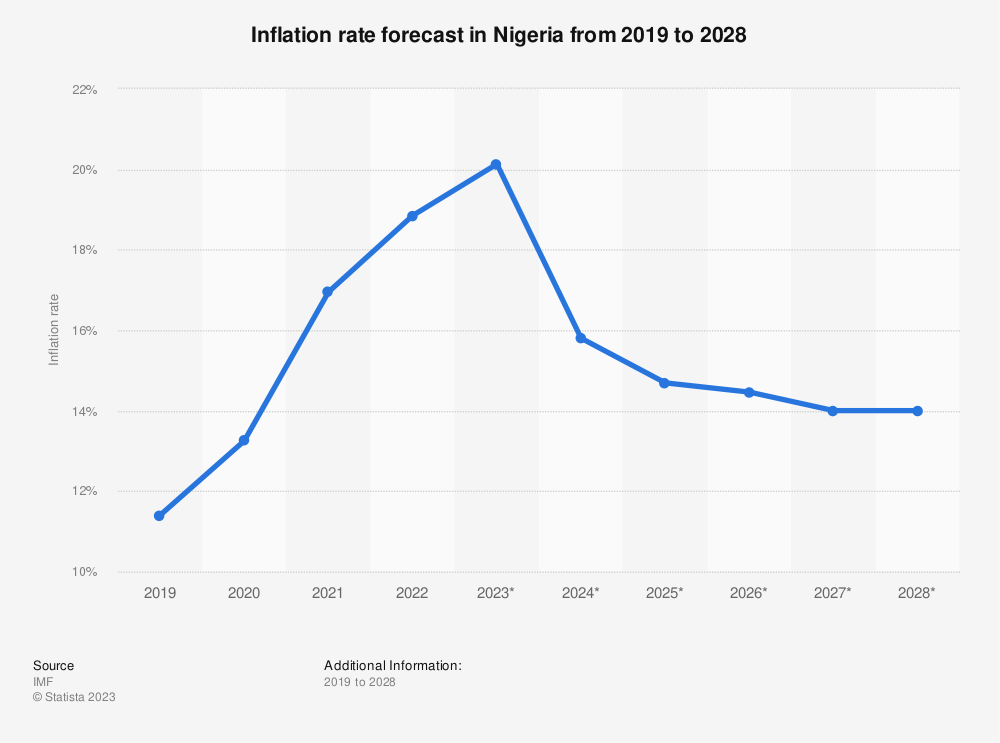
It is not news that the Nigerian economy has witnessed a steady decline over the last couple of years, with current inflation rates currently at 20.13 (source: IMF). In layman’s terms, this means that an item purchased for 100 Naira on December 31, 2022 will sell for about 120 Naira by December 31, 2023.
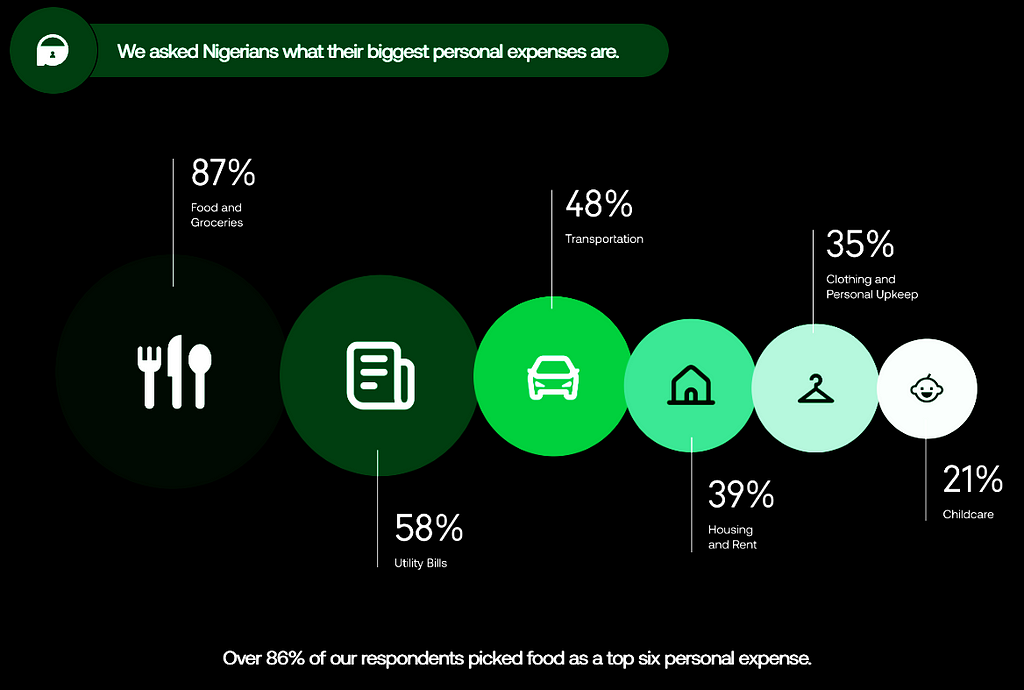
But even more striking is the food inflation which has seen a whopping 30.64% yearly increase in the cost of food prices (source: Consumer Price Index, Nigerian Bureau of Statistics September 2023). A 2023 report by Piggyvest, a fintech startup company, also revealed that 87% of NIgerians had food as their biggest personal expense. In a country where over 80% of individuals pay out-of-pocket for healthcare, the direct increase in cost of the basic needs of life like food (read Tier 1 on Maslow’s hierarchy of needs) means that more and more Nigerians have to prioritise daily survival over the purchase of drugs, especially in medical conditions where the immediate impact of medical neglect is not seen.
The economic situation also has a ripple effect on one of the major socioeconomic determinants of health — proper nutrition. As the prices of goods and services rise, disproportionately-affected individuals in the lower socioeconomic strata may cut back on their food budgets, often opting for cheaper and less nutritious options. This can lead to decreased consumption of essential nutrients which are crucial for good health, thereby predisposing them to illnesses and subsequent increased health expenditure.
Sky-high medications
A ripple effect of economic inflation is the rising costs of medication. Most drugs used in Nigeria are imported into the country (about 75% per my last article on health infrastructure in Nigeria), meaning that the soaring exchange rates have doubled, or even tripled, costs of some sorely-needed medication
In addition to this, pharmaceutical companies in Nigeria have been shutting down as a result of rising manufacturing costs. In August 2023, GlaxoSmithKline (GSK) Nigeria shut down its manufacturing arm and moved to a third-party distribution model, citing unstable economic policy as one of their reasons. This has also led to an increase in the cost of medication and there is no better demonstration of this than the price of Seretide, a common first-line inhaler given in the common bacterial infections. This medication is no longer readily available on demand, and even when available, has had its price triple in the last few months.
Quasi_Naija on Twitter: "I use Seretide inhaler to prevent the development of Asthma, it has gone from 5500 in May to 32500.00 ( least price now). I was certain it would be bad, didn't it would be this bad / Twitter"
I use Seretide inhaler to prevent the development of Asthma, it has gone from 5500 in May to 32500.00 ( least price now). I was certain it would be bad, didn't it would be this bad
Increasing costs for Healthcare providers
Being capital and resource-heavy organisations, Hospitals also have to grapple with rising costs of fuel and electricity, in addition to other materials like medical consumables which are regarded as essential inputs for proper functioning. Progressively decreasing access to healthcare workers as a result of emigration and rising costs of living for HCWs still in the country mean that salary increments and incentivisation are needed to retain HCWs and maintain quality of care. Therefore, in order to maintain profitability hospitals have to increase fees, thereby shifting costs to the already-impoverished consumer.
Nigeria’s healthcare system is grappling with the harsh realities of a protracted economic downturn. The impact of inflation, coupled with a rising cost of living, is straining the delicate balance between access to quality healthcare and daily survival. It is evident that to maintain and improve the quality of care available to patients, ingenious and multidirectional modalities need to be developed. Means by which these can be achieved will be discussed in the follow-up piece.
Originally published on Medium ↗